

Active Living Resources for the Modern Man
Achieving peak physical and mental performance requires more than just supplements — it demands a lifestyle that integrates movement, nutrition, and recovery. Whether you are a weekend warrior or a dedicated athlete, these resources help you combine natural supplements with effective daily habits.
Balancing Nutrition and Exercise
The food you eat is the foundation upon which your supplements are built. Natural supplements for men work best when they support a nutrient-dense diet — not when they replace one. Complex carbohydrates and lean proteins do the heavy lifting; vitamins and minerals fill the gaps.
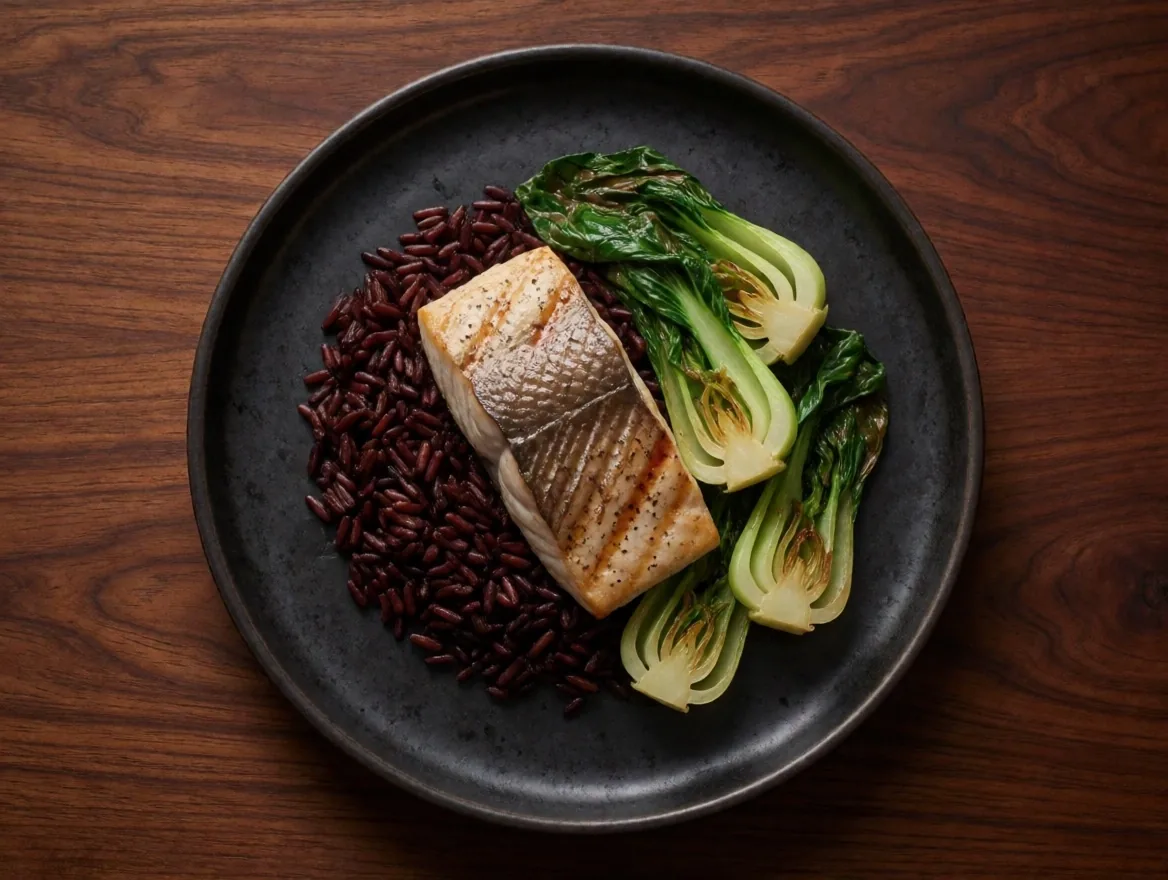
We provide guidance on how to structure a diet that supports high-intensity activity, emphasizing the importance of complex carbohydrates and lean proteins as the primary fuel sources. The goal is to calculate your caloric needs based on your body weight, activity level, and training intensity — then adjust intake according to whether you are building strength, maintaining condition, or cutting for definition.
Energy and endurance supplements can complement this base, but they cannot substitute for consistent meals. A morning training session performed on an empty tank will underperform regardless of what you take beforehand. Eat first, supplement second, train hard.
What to Structure First
- · Complex carbohydrates — oats, brown rice, sweet potato — as the primary fuel for sustained training output.
- · Lean protein sources — fish, chicken, eggs, tempeh — distributed across meals to support muscle maintenance.
- · Healthy fats from nuts, avocado, and olive oil for hormone production and joint health.
- · Supplements timed around training windows — not as meal replacements.
Hydration Strategies for Tropical Climates
Living in a climate like Indonesia's means hydration is a constant priority for anyone leading an active life. Losing even a small percentage of body water can lead to noticeable drops in strength, endurance, and cognitive function. The heat and humidity here drain fluids faster than most people realize — a training session that feels manageable in a temperate zone becomes a different equation on a Bali afternoon.
Our resources cover the best ways to stay hydrated, including the use of natural electrolytes and minerals to replace what is lost through sweat. Sodium, potassium, and magnesium are the primary electrolytes to monitor; calcium and chloride play supporting roles. Coconut water, light broths, and mineral-rich foods can replace what plain water alone cannot.
We provide tips on how to monitor your hydration levels — urine color, body weight before and after training, and thirst cues — and how to prepare for outdoor activities in the heat. Pre-hydration matters as much as rehydration: arriving at a session already dehydrated means playing catch-up for the entire workout.

Quick Hydration Check
If your urine is dark yellow or amber before training, you are already behind. Aim for pale yellow. Weigh yourself before and after long sessions — every kilogram lost is roughly one liter of fluid to replace over the next few hours.
Incorporating Movement Into a Busy Schedule

Not everyone has hours to spend at the gym, but consistent movement is essential for cardiovascular health and metabolic function. Staying active does not always require a gym membership — it requires a mindset that values movement and a plan that fits your actual schedule, not an ideal one.
We offer strategies for integrating short, high-impact workouts into your workday. The key is frequency over duration: fifteen focused minutes performed four times a week will outperform a sporadic two-hour session that happens once a month. Bodyweight exercises — push-ups, squats, lunges, planks — need no equipment and can be done in a hotel room, office, or apartment.
Bodyweight circuits — 15 minutes
Push-ups, air squats, and planks performed in sequence with minimal rest. Three rounds, three times a week.
Brisk walking — 30 minutes
A daily walk before or after work. Easy on joints, effective for cardiovascular baseline, requires no gear.
Stair and interval sets
If your building has stairs, use them. Three flights, twice a day, adds up across a week without a gym visit.
Weekend longer sessions
One longer workout on the weekend — a swim, a hike, or a structured gym session — complements the short weekday sets.
The Importance of Rest and Sleep Hygiene
Recovery is the most underrated component of an active lifestyle. Quality sleep is when the body repairs muscle tissue and regulates the hormones necessary for sustained energy and growth. Training without adequate rest does not build strength — it breaks the body down incrementally until performance drops and motivation follows.
We provide actionable advice on improving sleep hygiene: reducing blue light exposure in the hours before bed, keeping the bedroom cool and dark, maintaining a consistent sleep schedule even on weekends, and avoiding heavy meals and caffeine late in the day. Magnesium, taken as part of a natural supplements routine, may support relaxation and is one of the more commonly discussed minerals in sleep research — though individual responses vary.
Understanding the science of sleep helps you realize that resting is just as productive as training. A well-rested body responds better to the next session, absorbs nutrients more efficiently, and sustains the consistency that long-term vitality requires.

Sleep Hygiene Basics
- Dim screens one to two hours before bed
- Keep the room cool and fully dark
- Fixed wake time, even on weekends
- Last caffeine at least eight hours before sleep
Managing Physical and Mental Stress
Active living also means managing the stressors that can derail your progress. Sustained high cortisol from work pressure or personal life can work against your training goals — contributing to muscle breakdown and fa accumulation over time. The solution is not to eliminate stress, which is impossible, but to manage how your body responds to it.

We explore techniques like mindfulness and controlled breathing that can be used alongside men's health support to keep stress in check. Adaptogenic herbs — ashwagandha root, rhodiola, and holy basil among the more studied options — have a long history of traditional use for stress response. Modern research is limited but growing, and individual responses vary considerably.
The practical combination is straightforward: a daily breathing or meditation practice, even five to ten minutes, paired with consistent sleep and regular movement. Supplements do not replace these basics — they sit on top of them. By maintaining a calm and focused mind, you allow your body to perform at its highest potential during physical activity and recover more efficiently between sessions.
A Simple Breathing Practice
Inhale through the nose, slow and steady
Hold at the top, lungs full
Exhale slowly through the mouth
Four to six rounds before training, or before sleep. No equipment needed — just your breath and a few minutes of quiet.
Minerals and Nutrients at a Glance
A working summary of the vitamins and minerals for men that appear across these resources, with their primary dietary sources and practical role in an active lifestyle.
Zinc
Found in oysters, beef, pumpkin seeds. Supports immune function and recovery.
Magnesium
Spinach, almonds, dark chocolate. Involved in muscle relaxation and sleep quality.
Selenium
Brazil nuts, tuna, eggs. An antioxidant mineral involved in thyroid function.
Iron
Lean red meat, lentils, spinach. Carries oxygen to working muscles during exercise.
Vitamin B12
Fish, eggs, dairy. Involved in energy metabolism and red blood cell production.
Vitamin D
Sun exposure, fatty fish, fortified foods. Supports bone health and immune balance.
This summary is for general orientation only. For individual guidance on dosages, interactions, and suitability for your circumstances, speak with a qualified health professional — particularly if you manage an existing condition or take medication regularly.
Choosing the Right Gear and Environment
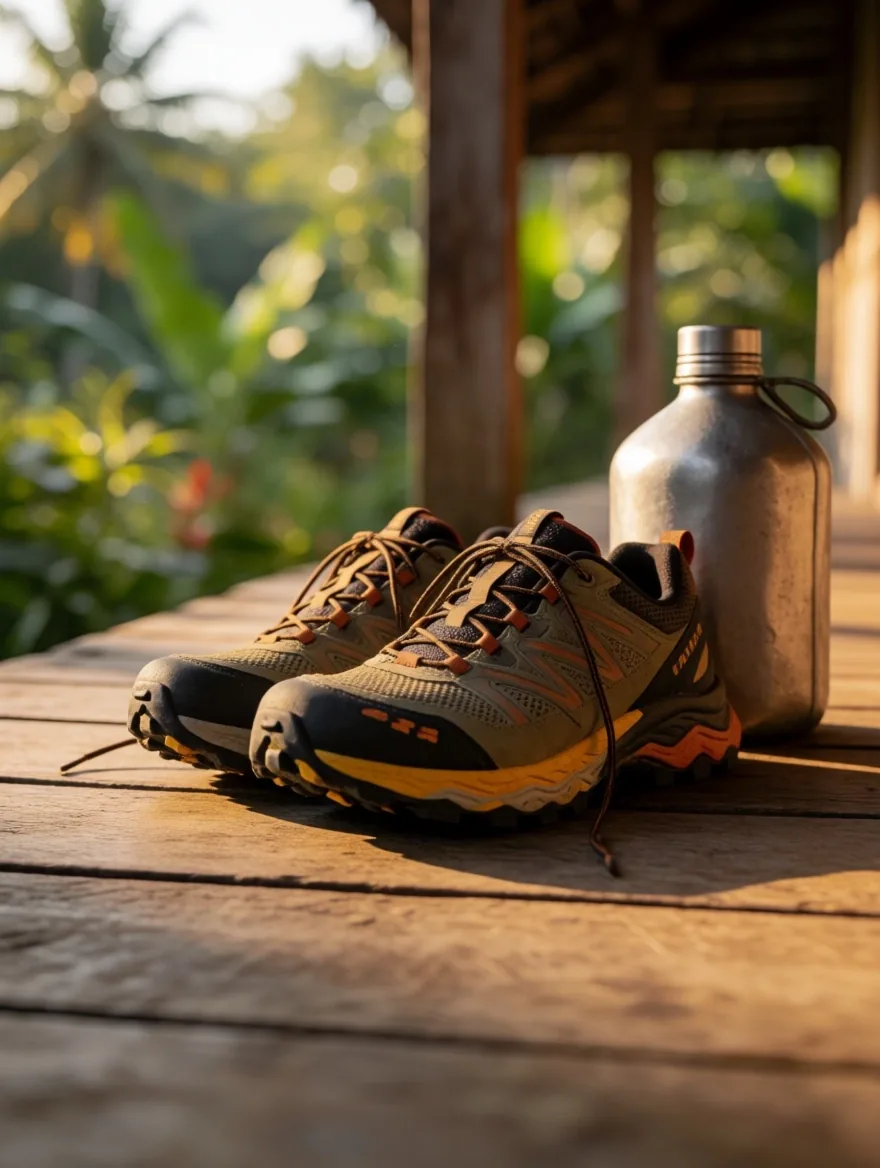
Your physical surroundings and the equipment you use can influence both motivation and safety. The right footwear for your activity — properly fitted running shoes, flat-soled lifting shoes, or trail grips — reduces injury risk and makes each session more productive. Wearing worn-out shoes for months of regular training is a false economy that often leads to knee, hip, or lower-back problems.
We discuss finding environments that encourage movement, whether it is a local park in Bali, a dedicated fitness center, or a stretch of beach that lends itself to sand sprints and bodyweight circuits. Healthy lifestyle products also include the tools you use to track your progress — a simple journal, a heart rate monitor, or a phone-based training app. Being prepared helps you stay consistent and avoid unnecessary injuries.
The principle is simple: reduce friction between intention and action. If your shoes are by the door and your training clothes are laid out the night before, the morning session is far more likely to happen.
Community and Social Support in Wellness
Staying active is often easier and more enjoyable when done with others. We encourage men to find local communities, sports clubs, or training partners to stay motivated. Sharing goals and challenges with a peer group provides accountability and a sense of camaraderie that can sustain a long-term fitness journey — the kind of consistency that individual willpower alone struggles to maintain.
Our resources highlight the various ways to connect with like-minded individuals in Indonesia who are also focused on natural health and active living. Running clubs in Seminyak, cycling groups in Ubud, open-water swimming communities along the coast, and weekend football matches in local parks all provide structure and social reward. Popular products for men in the wellness space — from training apps to group supplement subscriptions — increasingly build community features in for the same reason: shared progress sticks.
If you are new to an area, start with one group activity per week. Showing up regularly matters more than performing well at first. Communities welcome consistency.

Measuring Progress and Setting Goals
To stay motivated, it is important to have clear, achievable goals and a way to track your success. Vague intentions — get fitter, eat better, train more — fade within weeks. Specific goals create a path, and a tracking method turns that path into a visible record you can review and adjust.
We provide templates and advice on how to set SMART goals — Specific, Measurable, Achievable, Relevant, Time-bound — for your health journey. Whether you are tracking your lifting PRs, your running times, or simply how many days a week you take your vitamins and minerals for men, seeing progress on paper helps reinforce your commitment to an active life.
Review your log weekly. Adjust monthly. If a goal has stalled for three weeks, change the variable — volume, intensity, sleep, or nutrition — rather than abandoning the goal. Progress is rarely linear; the point is to keep showing up and to notice when something needs adjustment.
SMART Goals — A Quick Template
Specific — name the exact outcome, not a category
Measurable — a number you can record
Achievable — stretching but within reach
Relevant — tied to your actual life and schedule
Time-bound — a deadline creates urgency
Continue Building Your Active Living Practice
These resources are one chapter in a wider library. Explore the rest of our guides for deeper detail on nutrients, vitality strategies, and quality standards — or reach out with a specific question and we will point you to the most relevant material.
Nutrisi Pria — Bali
Jl. Sunset Road No. 9, Seminyak, Kuta, Kabupaten Badung, Bali 80361, Indonesia
Mon–Fri: 9:00–18:00